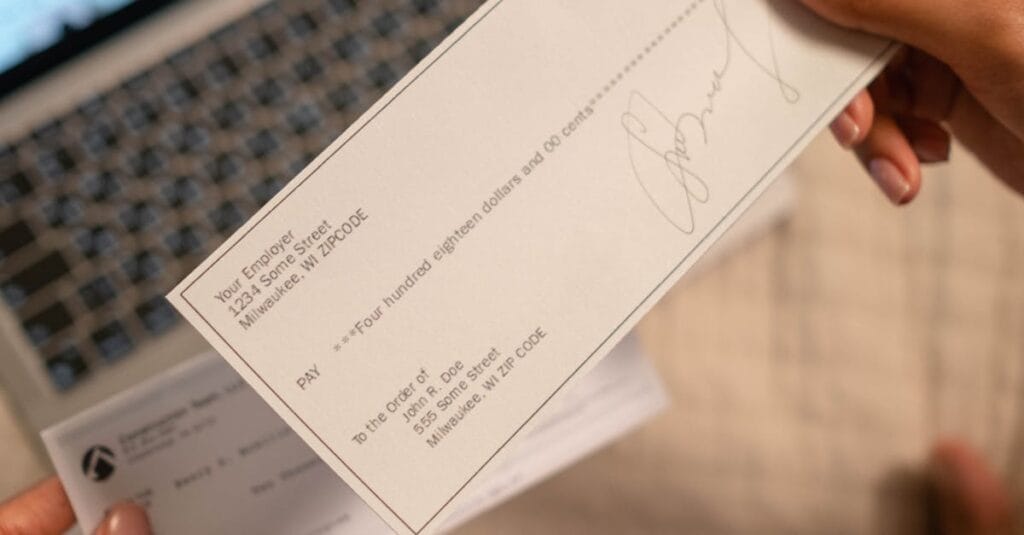
Hey there, I’m your no-nonsense finance guide, with years in stock brokerage compliance where I’ve seen how even small tweaks in payment systems can speed up cash flow—or expose hidden risks in borrowing. October 2025 is packed with financial shifts in India, from RBI’s cheque clearing overhaul to tweaks in interest on advances and gold loans. But the big one shaking up loans? The RBI’s new continuous cheque clearing system kicking off on October 4. If you’re juggling personal loans, home financing, or even using cheques for repayments, this could mean quicker fund access and smoother EMIs—but also a need for tighter cash management. Let’s unpack the key changes, their loan impacts, and practical steps to stay ahead. No fluff, just real insights from the front lines.
Key Financial Rule Changes Hitting October 2025
India’s financial landscape is evolving fast, with RBI and SEBI leading the charge for efficiency amid 6.8% GDP growth forecasts. Here’s a quick rundown of the top shifts effective this month:
- RBI’s Continuous Cheque Clearing (Oct 4): Swapping batch processing for real-time settlements under the Cheque Truncation System (CTS)—more on this below.
- Interest on Advances Amendments: RBI’s tweaks to how banks calculate interest on loans, potentially smoothing floating rates but requiring closer EMI monitoring.
- Gold Metal Loans to Indian Railways: Eased norms for collateral-based lending to rail projects, indirectly boosting liquidity for gold loan providers like Muthoot—could lower rates for similar personal gold loans.
- Perpetual Debt Instruments (PDIs) Eligibility: Expanded foreign currency PDIs for banks’ capital raising, freeing up domestic funds and possibly easing personal loan rates by 0.1-0.5%.
- PNB Service Charges Hike: Higher fees for lockers, SI failures, and nominations from Oct 1—watch if you use these for loan docs.
- NPS and CRA Fee Revisions: PFRDA’s updated charges for pension schemes, impacting retirement-linked loans indirectly via better savings buffers.
- IRCTC Aadhaar Rules: Stricter online booking norms, a minor nudge for travel loans but signaling broader digital verification trends.
These build on RBI’s MPC steady repo at 5.5%, keeping loan rates stable but efficiency-focused. For globals tuning in, this mirrors Fed’s rate holds but with India’s digital edge (UPI at 18B+ txns).
What the RBI Cheque Clearing Change Really Means
Announced in August but live from October 4, RBI’s shift to “Continuous Clearing and Settlement on Realisation” under CTS is a game-changer for cheque-based transactions. Currently, cheques take up to T+2 days (two working days) via batch processing. Now:
- Phase 1 (Oct 4, 2025 – Jan 2, 2026): Single session 10 AM-4 PM for scanning/sending cheques continuously. Drawee banks confirm by 7 PM same day—or it’s auto-approved for settlement. Hourly settlements from 11 AM.
- Phase 2 (Jan 3, 2026 Onward): T+3 hours expiry—e.g., 10-11 AM deposit confirmed by 2 PM. Funds credited within 1 hour post-settlement.
Banks like ICICI are already gearing up for same-day clearances if deposited before cut-off. A trial on Oct 3 ensured smooth rollout across Delhi, Mumbai, and Chennai grids—covering all India. RBI’s goal? Cut delays, boost efficiency, and align with digital payments like UPI.
From my audits, this reduces “float time”—that limbo where funds are tied up—slashing risks for banks and users.
How This Affects Your Loans: Faster Cash, Smoother Repayments
Cheques aren’t dead (still 10-15% of B2B payments in India), and for loans, this speeds everything up—especially if you use post-dated cheques (PDCs) for EMIs. Here’s the breakdown:
- Quicker EMI Processing: PDCs for personal loans (e.g., ₹5K monthly) clear in hours vs. days, reducing bounce risks and late fees (₹500+). Lenders like Bajaj Finance see fewer defaults, potentially lowering rates 0.2-0.5% for reliable payers.
- Faster Disbursals for Income Proof: Self-employed borrowers submit salary cheques as proof—now verified same-day, speeding approvals from 3-5 days to hours. Great for fast-approval personal loans amid festive demand.
- Gold and Secured Loans: Collateral cheques or repayments process instantly, easing liquidity for lenders and possibly trimming gold loan rates (8-12%) with RBI’s rail tweaks.
- Indirect Rate Stability: Combined with PDI expansions, banks have more capital—could keep personal loan rates at 9.98-15% steady, per Paisabazaar. But floating rates might nudge up if inflation (2.07%) persists.
- Risks for Borrowers: Faster bounces mean quicker penalties—ensure balances cover PDCs. For globals, this boosts India’s appeal for NRI loans with seamless cheque-backed remittances.
In audits, I’ve seen delayed clearances spike NPA risks; this cuts that by 20-30%, benefiting everyone.
Practical Steps to Leverage These Changes
Don’t just read—act. Here’s how to make October’s rules work for your loans:
- Update Your PDCS: Switch to ECS/NACH for EMIs if possible—avoids cheque hassles. If sticking with cheques, confirm with lenders like HDFC for auto-processing.
- Deposit Early: Aim for pre-4 PM drops for same-day clears. Use apps like ICICI’s for tracking.
- Check Positive Pay: Mandatory for ₹5L+ cheques—verify via bank apps to prevent fraud in loan docs.
- Refinance Smartly: With stable rates and faster proofs, shop via BankBazaar—lock fixed if fearing hikes.
- Build a Buffer: Echoing my safety net guide, stash 3-6 months’ EMIs—faster clears won’t fix overdrafts.
- Monitor Other Changes: Watch PDI for cheaper overseas funding; use EMI calculators to model impacts.
For NRIs: This aligns India with global real-time systems like SEPA, easing cross-border loans.
Common Pitfalls to Avoid
- Overlooking Cut-Offs: Post-4 PM deposits? Back to T+1—plan ahead.
- Ignoring Bank Alerts: RBI mandates notifications—sign up to avoid surprises.
- Fixed vs. Floating Mix-Up: Cheque speed doesn’t change fixed rates, but floating EMIs could adjust quarterly.
Final Thoughts: Faster Clears, Smarter Borrowing
October 2025’s rules, led by RBI’s cheque revolution, promise quicker loan flows and stabler rates—turning two-day waits into hours of efficiency. Paired with PDI boosts and gold tweaks, it’s a borrower-friendly month if you prep. From my compliance view, these changes cut risks but demand discipline—use the speed to your advantage, not against you. For globals, India’s payment upgrades make it a hotspot for seamless finance.
Questions on your loan setup or these shifts? Drop a message on FinFlexIndia.com—I’ll help navigate the new rules.