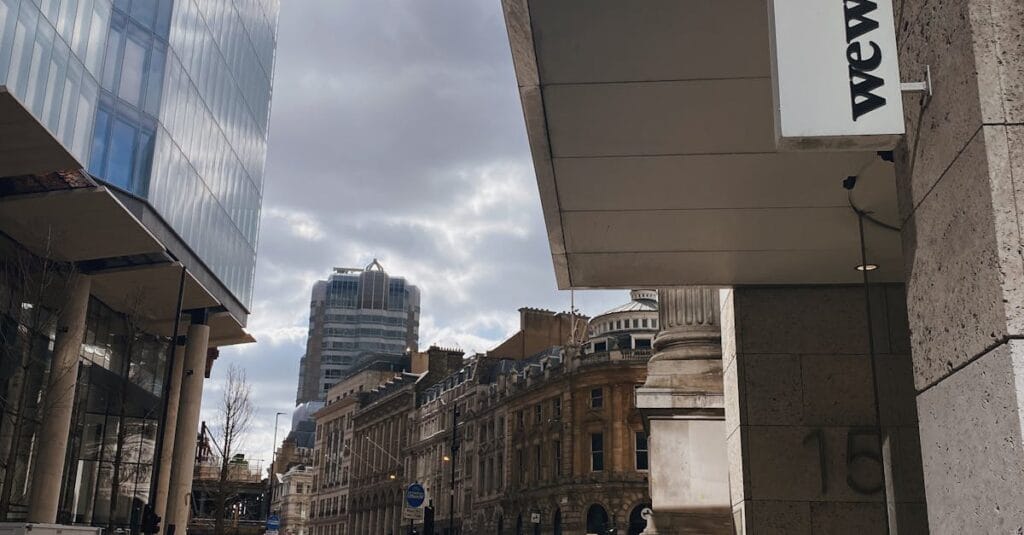
Hey there, I’m your no-nonsense finance guide, with years in stock brokerage compliance where I’ve seen too many IPOs dazzle with growth stories only to stumble on hidden cracks. WeWork India’s ₹3,000 crore IPO, open from October 3-7, 2025, at ₹615-648 per share, is a case study in caution. As a pure offer-for-sale (OFS) by promoters Embassy Buildcon (73.56% stake) and WeWork International (22.64%), no fresh capital flows to the company—just an exit ramp for sellers. Subscription’s tepid: 1.13x overall as of October 7 noon, with retail at 0.57x and GMP at ₹0-5 (flat to +0.77%). Amid India’s flexible workspace boom (₹53,121 crore market, growing to ₹97,680 crore by 2030), WeWork’s 68 centers and 7.35 million sq ft footprint look promising. But proxy firm InGovern’s October 7 report flags serious issues: weak financials, legal woes, and transparency gaps. For retail investors—your core focus—this IPO screams lessons from past flops like the global WeWork saga. Let’s dissect the red flags and extract takeaways to sharpen your edge. No pitches, just the unvarnished truth.
Key Red Flags in WeWork India’s IPO
WeWork India operates in a hot sector—flexible workspaces grew from 35 million sq ft in 2020 to 88 million by March 2025, with WeWork holding a premium slice. Revenue hit ₹2,024 crore in FY25 (up 16.5%), but cracks abound. InGovern’s note, echoed in ET and NDTV Profit, highlights governance and operational risks that could erode post-listing value. Here’s a breakdown:
| Red Flag | Details | Potential Impact |
|---|---|---|
| Weak Financials & Negative Cash Flows | Consistent losses, negative net worth of ₹437.4 crore (FY24), and negative cash flows for years. FY25 “profit” (₹286 crore) stems from deferred tax credits, not operations. Lease costs eat 43%+ of revenue. | Signals unsustainable model; could pressure stock if occupancy dips further (already from 83.8% FY23 to 76.5% June 2025). |
| OFS Structure – No Fresh Capital | Entire ₹3,000 crore goes to sellers (promoters/investors), not WeWork India. No funds for growth or debt reduction. | Exit play for insiders; raises doubts on long-term commitment, potentially signaling overvaluation (22x FY25 EBITDA vs. peers’ 12-14x). |
| Promoter Pledges & Legal Proceedings | 53% pre-IPO shares pledged against ₹2,065 crore borrowings, temporarily released for IPO but repledgeable on delays. Promoters (Jitendra/Karan Virwani) face CBI/ED probes under Prevention of Corruption Act; ₹325 crore in ongoing cases. | Erosion of promoter control; investor lawsuit in Bombay HC alleges misleading DRHP omissions (e.g., chargesheet). |
| Transparency & Audit Issues | SEBI Reg 6(2) filing for “financially weaker” firms; FY22-24 audit qualifications on vendor docs and related-party transactions. Negative net worth ₹4,374.5 million. | Weak internal controls erode trust; InGovern flags inadequate disclosures. |
| Concentration Risks | 66-70% revenue from Bengaluru/Mumbai; 40-41% from large enterprise clients (300+ desks). Long-term leases (7.35M sq ft) lock fixed costs. | Vulnerable to regional slowdowns or client churn; competes with 500+ operators (peer Awfis). |
| Brand Dependence | Relies on 99-year WeWork Global license; tied to promoter control. | Global WeWork’s 2019 collapse (₹47,000 crore valuation wipeout) haunts; risks non-renewal or dilution. |
These flags explain the sluggish response—QIBs at 1.77x, but retail/NII lag. Listing October 10; allotment October 8.
Lessons for Retail Investors: Don’t Repeat WeWork Global’s Folly
WeWork India echoes its parent’s 2019 US IPO debacle—hyped growth masked losses, leading to a 90%+ value crash. Here’s what retail folks (often hit hardest by low allotments) can learn:
- Scrutinize Financials Beyond Headlines: Growth (16.5% revenue) dazzles, but dig into cash flows and “profits” (tax-driven here). Lesson: Use RHPs/tools like Chittorgarh for peer comps (Awfis at 12x EBITDA vs. WeWork’s 22x). Always check InGovern/SEBI filings pre-subscription.
- OFS vs. Fresh Issue: Spot the Exit Signs: No capital for WeWork India means self-funded growth—risky in a competitive market. Lesson: Prioritize IPOs infusing funds (e.g., Tata Capital’s fresh component); OFS often signals promoter cash-out.
- Governance First, Growth Second: Pledges, probes, and audits scream control issues. Lesson: Review promoter backgrounds (Virwanis’ ED cases) and SEBI Reg 6(2) flags for “weaker” filers. Diversify—cap IPO exposure at 5-10% of portfolio.
- Concentration Kills in Volatile Sectors: 70% Mumbai/Bengaluru reliance mirrors global WeWork’s overexpansion. Lesson: In flex workspaces (280-300M sq ft by 2027), favor diversified players; track occupancy quarterly.
- Brand Hype vs. Reality: WeWork’s global baggage lingers. Lesson: Cross-check licenses and peers (Awfis up 20% post-IPO); use GMP as sentiment gauge, not gospel (flat here).
- Subscription Strategy: Low retail uptake (0.57x)? Bid minimum lots (23 shares) for lottery odds, but have a safety net—echoing my guide on building one.
- Post-Listing Watch: If allotted, monitor Q3 occupancy and legal updates—volatility could hit 20-30%.
Final Thoughts: Caution Trumps Crowds in IPO Seas
WeWork India’s IPO—strong sector tailwinds but riddled with financial fragility, governance gaps, and an insider-exit vibe—mirrors its global parent’s pitfalls, serving as a stark reminder for retail investors. InGovern’s timely flags and muted subscription underscore: Growth stories need substance. My compliance audits hammer home: DYOR beyond DRHPs, prioritize transparency, and diversify to weather post-listing storms. For Indians and NRIs, India’s IPO wave (₹1.5 lakh crore October) offers gems, but WeWork tests your filters—use these lessons to invest sharper, not harder.
Questions on IPO due diligence or WeWork alternatives? Drop a message on FinFlexIndia.com—I’ll help spot the signals amid the noise.